
On the eve of summer’s busiest weekend, first responders are bracing for the typical uptick in accidents on road and on water.
Car crashes and boating accidents surge on holiday weekends, according to the National Safety Council. Hundreds of Fourth of July floaters are also urged to wear life preservers. Since 2017, three people have died floating on the weekend’s celebratory drifts, according to the Jackson Hole News&Guide. None wore life preservers.
Altogether, the combination strains first responders, according to Teton County Idaho Fire Chief Mike Maltaverne.
“A lot of times, if our local resources are overwhelmed, we just call neighboring fire departments or neighboring resources to come and help,” Maltaverne said. “But [this weekend], they’re all in the same situation.”

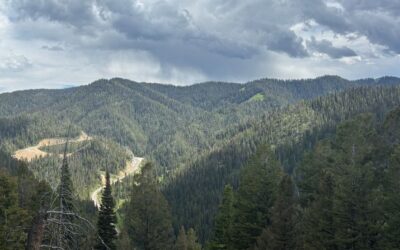
The current fire danger is rated as “high” on both sides of the Tetons.
As campers flock to the forest, unattended campfires are another risk this weekend. By mid-June, the Bridger-Teton National Forest reported nearly 40 unattended fires.
“Make sure you stir around the ashes and make sure everything’s soaking wet,” said Raymond Lane, Jackson Hole Fire/EMS prevention specialist.
With less rain and an earlier snowmelt, fire activity has already been on the rise. In May, crews extinguished the largest wildfire recorded in the month and continued to fight a nearly 900-acre blaze in a remote part of southern Teton County.
On the Idaho side of Teton Pass, limited “non-aerial” fireworks are allowed, so long as sparks don’t fly higher or wider than 15 feet. Only sparklers are allowed in Teton County, Wyoming. No fireworks are allowed on national forest and national park lands.
Neither county has fire restrictions in place but both want the public to remember most human-caused fires are preventable.