
Make our newscast part of your daily listening routine. Subscribe on Spotify (or wherever you listen to podcasts).
With federal immigration detentions on the rise, Jackson businesses are looking to better understand their rights should Immigration and Customs Enforcement pay a visit.
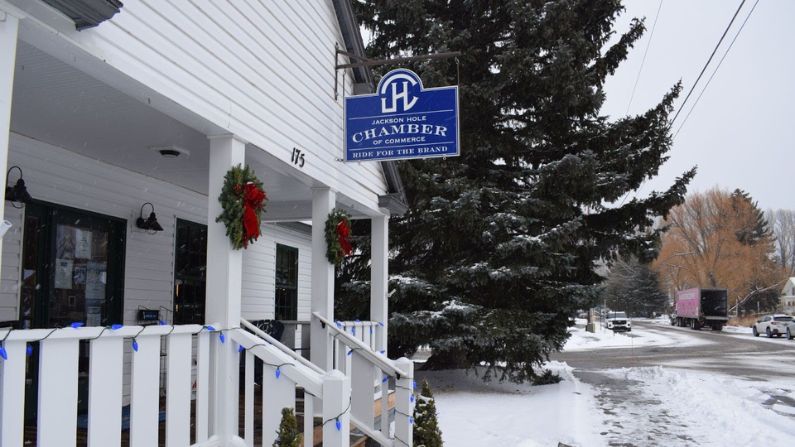
The Jackson Hole Chamber of Commerce recently invited ACLU-Wyoming staff attorney Andrew Malone to broach the subject at last week’s Business Over Breakfast event.

Having a game plan and educating staff ahead of an ICE visit was at the crux of Malone’s Dec. 4 presentation where he shared general advice over a video call.
“You can make sure that this isn’t going to be something you have to react to in the moment because you can prepare for it and plan for it,” Malone told KHOL after the call. “It’s like a fire drill.”
The Chamber first hosted a well-attended immigration enforcement info session weeks after Trump took office in 2025. The member organization decides on presentation topics based on member interest, according to Chamber President Rick Howe.
If an agent comes to the door, having a point-person ask for a judge-signed warrant is a good first step, Malone said. Without one, agents cannot access private areas of an establishment, or areas the public wouldn’t be allowed.
In the meeting, one audience member submitted a question that asked about what areas of a business are considered private. Malone reiterated that construction sites are considered private areas, as are back staff rooms that otherwise wouldn’t be accessible to the public.
Where ICE – or any immigration enforcing agent – can and can’t go has also changed in the last year. Reversing a 2011 ban on visits to sensitive places, such as churches, was one of the Trump administration’s first moves since returning to the White House.
But rights have not changed under Trump. Employers and employees continue to have the right to remain silent and request to see warrants.
Federal agents may continue to request paperwork, such as an audit of I-9 forms that check whether workers have the right to work in the country. Keeping these forms up-to-date is important, Malone added.
ICE isn’t the only federal agency to expect a visit, either. Malone said agents with the Federal Bureau of Investigation or the Enforcement and Removal Operations, a subdivision of ICE, could also visit a business on behalf of ICE, a practice he said is becoming more common.